
Is hydrogen water safe? It is one of the most searched questions in this product category, and it deserves a straighter answer than most sellers give. Ours rests on three numbers anyone can verify: a GRAS notice on file with the US FDA, a physical ceiling of 1,600 ppb, and the arithmetic of what one bottle actually delivers.
Is Hydrogen Water Safe by Regulation? What GRN 520 Actually Says
The regulatory half of "is hydrogen water safe" starts in 2014, when hydrogen was submitted to the US FDA's GRAS program for use in beverages. GRAS stands for Generally Recognized As Safe. The filing sits on the public inventory as GRAS Notice GRN 520, and the agency closed it with a "no questions" letter - the standard good outcome of that review.
The notice also puts a number on exposure. It estimates a daily intake of about 3.2 mg of hydrogen, which corresponds to roughly two litres of fully saturated water per day. In other words, the filing already assumed a heavier daily habit than most people will ever keep.
One caution before anyone repeats this as marketing: a GRAS notice is not an FDA approval. GRAS means qualified experts consider the ingredient safe for its intended use, and the agency saw no reason to disagree. Approval is a different legal process, and no hydrogen water product has it.
The three numbers behind "is hydrogen water safe": GRN 520 on the FDA inventory, the 1,600 ppb ceiling, and 3.2 mg per day beside 0.75 mg per bottle.
Is Hydrogen Water Safe by Physics? The 1,600 ppb Ceiling
The physics half of "is hydrogen water safe" is a ceiling. At sea-level pressure and room temperature, plain water saturates at about 1,600 ppb of dissolved hydrogen - roughly 1.6 mg per litre. Past that point the gas simply leaves. You cannot brew a stronger glass by running the cycle longer.
Now do the arithmetic on a real serving. A 500 mL bottle at 1,500 ppb holds about 0.75 mg of hydrogen, which is under a quarter of the 3.2 mg daily figure in the GRAS notice. The ceiling caps every serving, so the overdose people worry about is not physically available from a bottle. The full dose math lives in our guide to hydrogen water ppb.
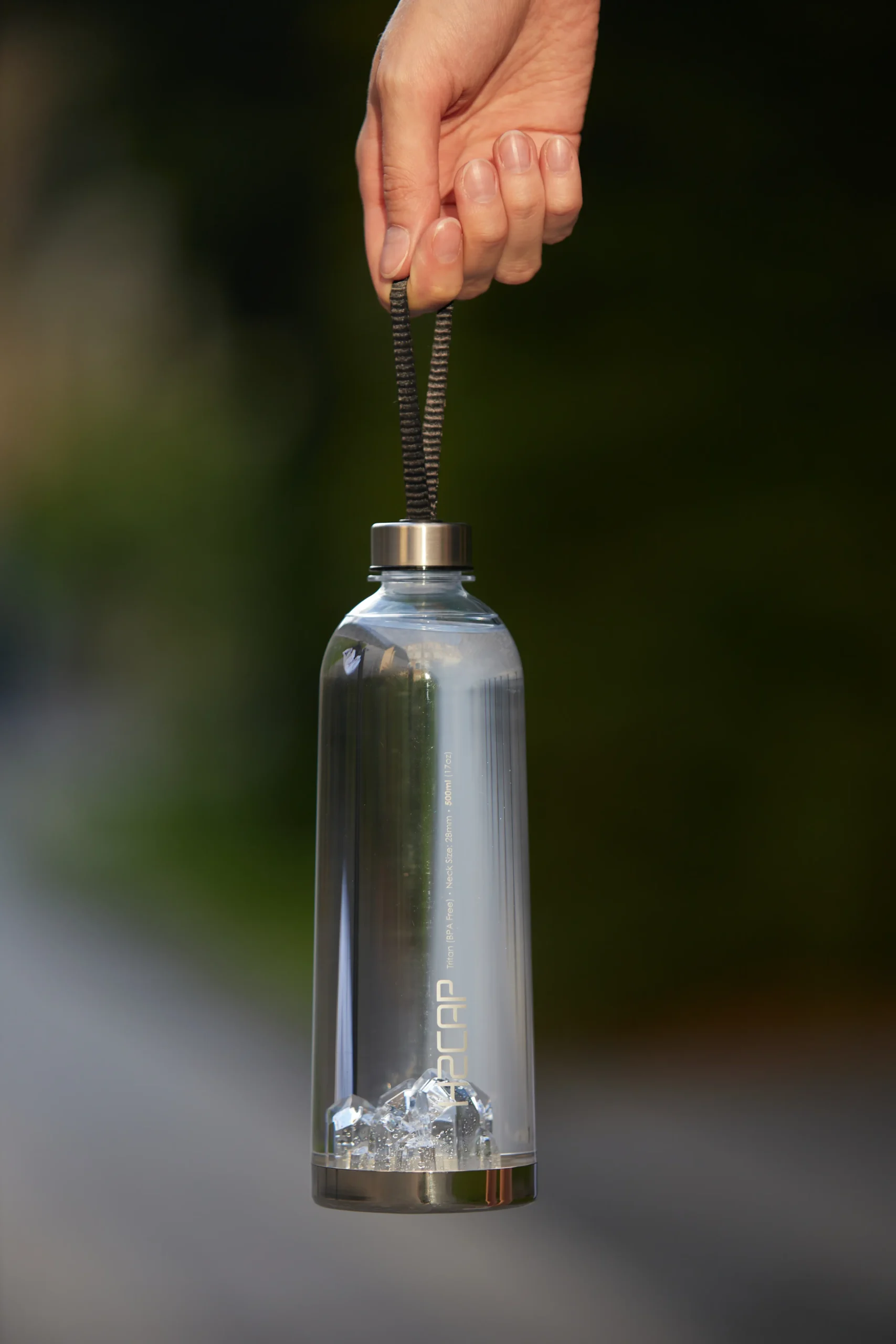
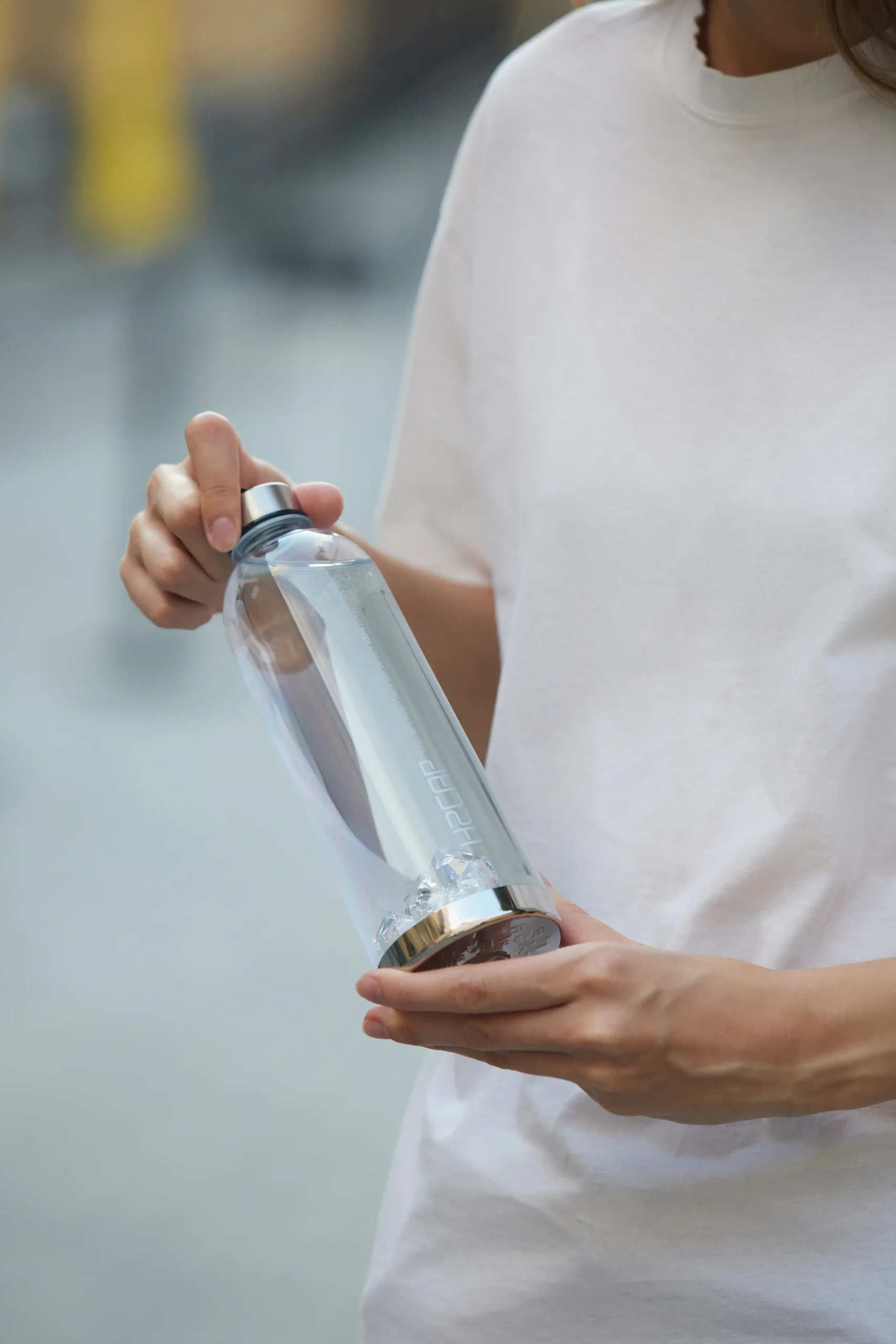
Everyday servings are what "is hydrogen water safe" is really asking about - one 500 mL bottle at a time, well under the filed daily figure.
Where the Real Safety Question Lives: The Cell, Not the Hydrogen
So is hydrogen water safe? For the hydrogen itself, regulation and physics close the question about as well as questions get closed. The honest answer is that the open question sits somewhere else: in how the device makes the gas.
Electrolysis splits water with an electric current. In a single-chamber cell with no membrane, hydrogen, oxygen and any by-products all form in the water you drink. If that water contains chloride - and most tap water does - the anode can oxidise traces of it into chlorine, and some cells can generate ozone. That is a design problem, not a hydrogen problem - and it is the part of "is hydrogen water safe" that a spec sheet can actually settle.
A PEM cell places a proton exchange membrane between two chambers, sends only hydrogen to the drinking side, and vents the oxygen and anode by-products away. Whether a cell has that membrane matters far more when you ask "is hydrogen water safe" than any concentration claim on the box. We unpack why the two names describe one membrane in spe vs pem.
Membrane-free cellOne chamber, no separator. Hydrogen, oxygen and any chlorine or ozone by-products form in the same water you drink.
PEM two-chamberA proton exchange membrane keeps the drinking side to hydrogen only. This is the design difference that matters.
Where the gases goA two-chamber cell needs a vent for the oxygen side. If a maker cannot say where it is, assume there is no second chamber.
The paperwork to ask forFood-contact material tests, electrode composition and third-party concentration reports. Documents, not adjectives.
We manufacture the H2CAP PLUS, which uses a PEM two-chamber cell, so we benefit when the question is framed this way. The frame also happens to be correct - and every claim above cites a public document you can check without trusting us.
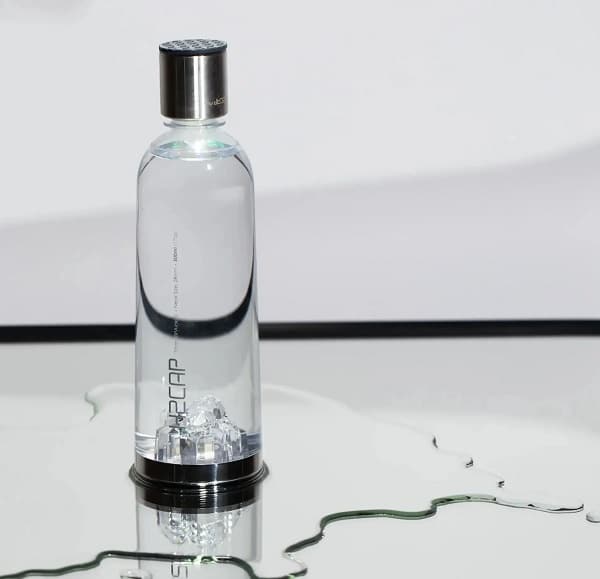
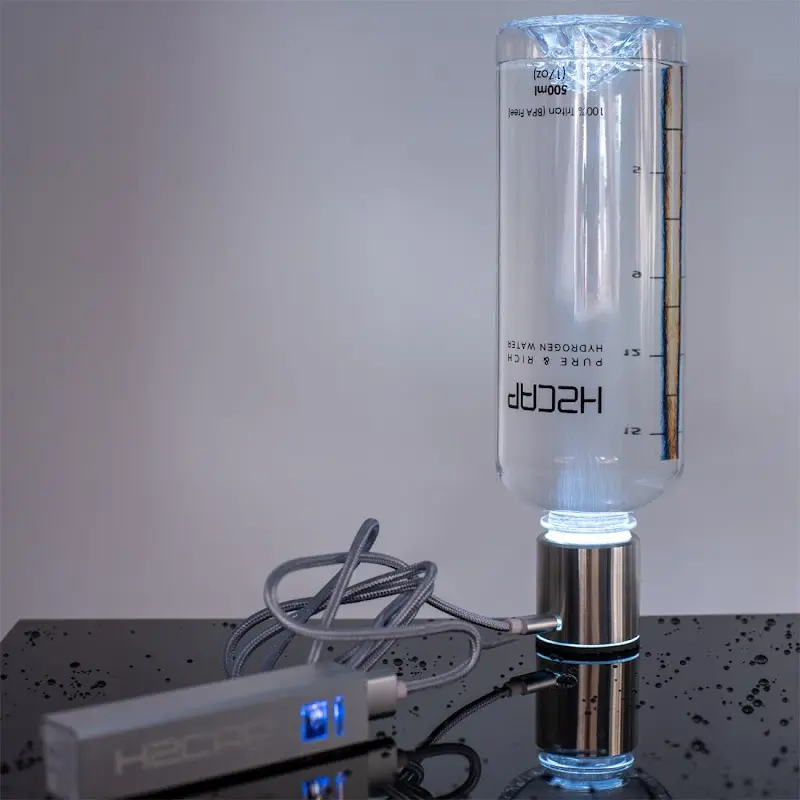
The cycle in progress: hydrogen forming in the chamber, and a full run on 4.5 W USB power. What ends up in your water is decided by the membrane.
How to Check Any Device, Including Ours
Ask for the material and safety documents before the concentration number. Our side of that paperwork - the Tritan body, platinum-coated titanium electrodes, and the CE, RoHS and KC marks - is collected on the molecular hydrogen safety page, and the device checklist there applies to any brand.
Then treat the concentration claim as a measurement question. Anything above 1,600 ppb needs an explanation of pressure and timing, and a serving's dose is concentration times volume - the same arithmetic as above. A seller who answers both plainly is telling you something good about everything else. At that point, "is hydrogen water safe" stops being the seller's claim and becomes your own checklist.
The measuring itself - meters, reagent drops, and the props that prove nothing - gets its own walkthrough in do hydrogen water bottles work.
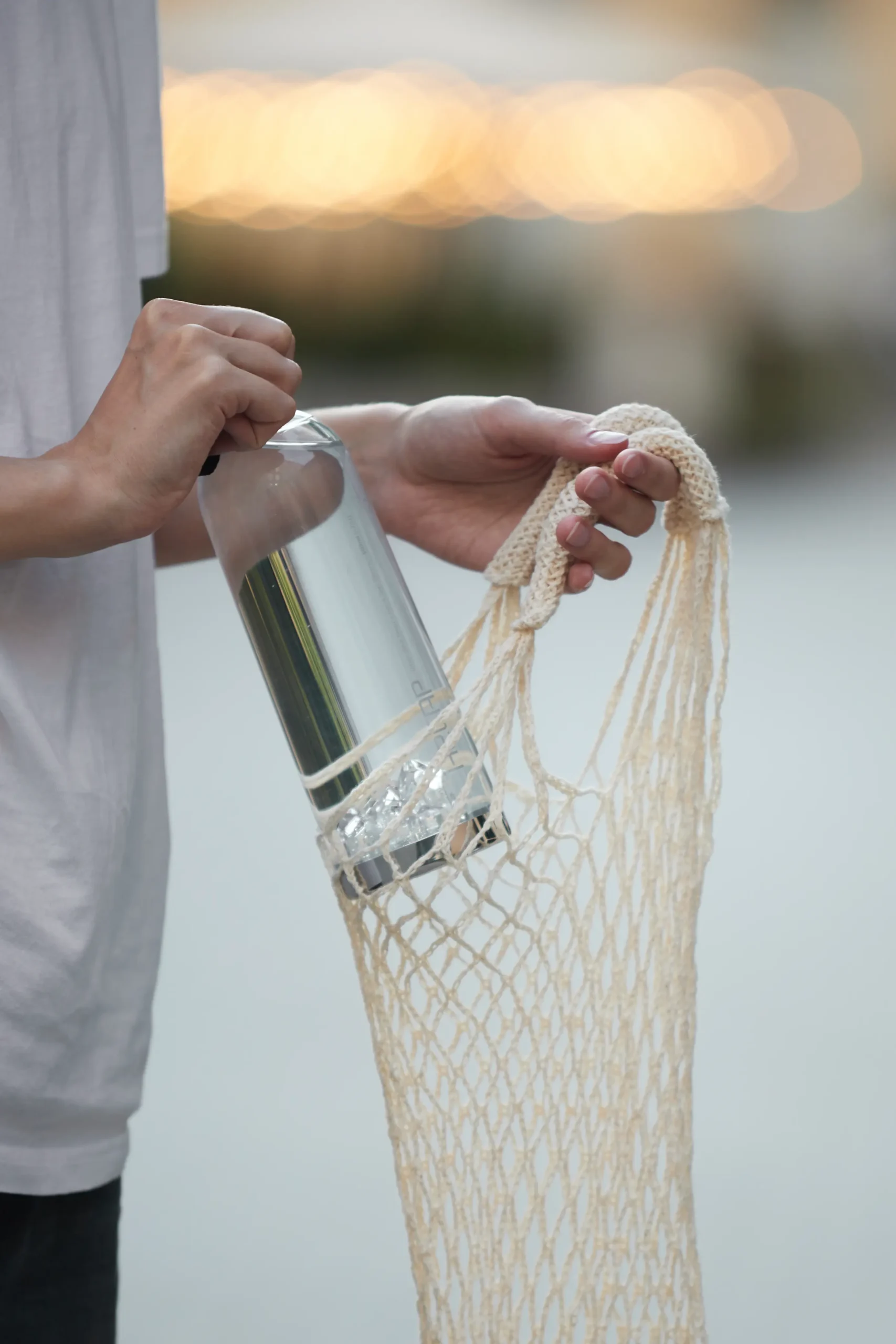
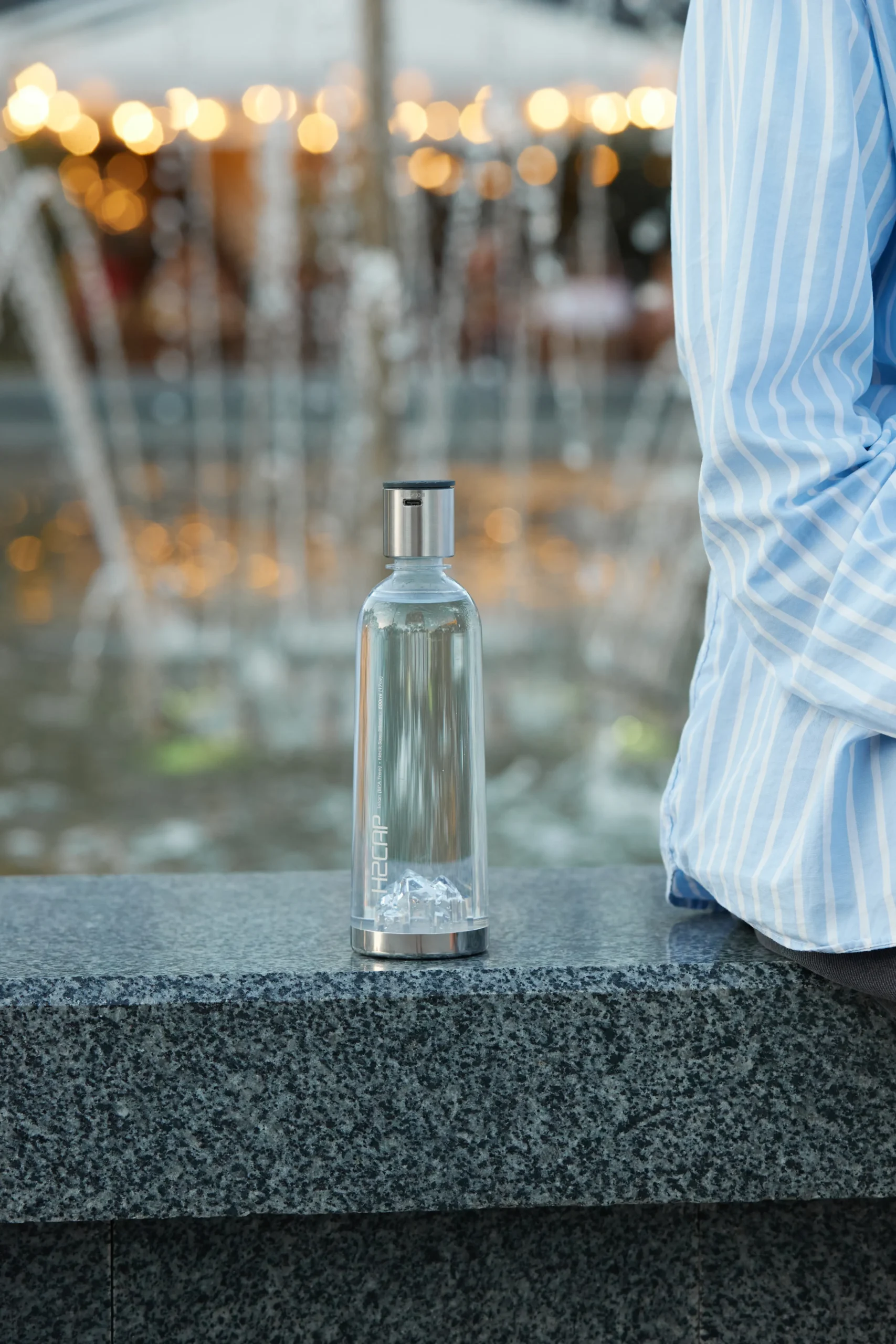
Built for the daily habit the GRAS filing already assumed - carried, refilled, and run on demand.
Is Hydrogen Water Safe? Six Questions Buyers Ask
Is hydrogen water safe to drink every day?
For the hydrogen itself, yes by the best available evidence. GRAS notice GRN 520 estimated a daily intake of 3.2 mg - about two litres of saturated water - and the FDA closed its review with no questions. A 24-week trial at high concentration reported no significant adverse effects.
Can you drink too much hydrogen water?
Not in any practical sense from a bottle. Water saturates at about 1,600 ppb, so a 500 mL serving carries roughly 0.75 mg of hydrogen at most. The limiting factor becomes the water itself long before the gas.
Isn't hydrogen gas flammable?
In air, hydrogen becomes flammable at about a 4 percent concentration. The dissolved amount in a bottle is measured in milligrams, and it disperses far below that threshold as it leaves the water. There is no meaningful fire risk in drinking it.
Does hydrogen water change the water's pH?
No. Dissolved hydrogen gas is pH neutral, so hydrogen water is ordinary water plus H2. It is a different product from alkaline ionized water, which changes pH by design. The two are often confused.
Is hydrogen water FDA approved?
No, and be wary of any brand that says so. Hydrogen has a GRAS notice, GRN 520, which is a different and lighter process than approval. Our device is likewise not a medical device, and we do not present it as one.
Why does some hydrogen water smell like chlorine?
That smell is a membrane question. In a single-chamber cell, the anode can oxidise the chloride in tap water into traces of chlorine. A PEM two-chamber design keeps those by-products out of the drinking side, so the smell points to the cell, not the hydrogen.
The Short Answer to "Is Hydrogen Water Safe"
Is hydrogen water safe? The hydrogen is covered by a public GRAS notice closed with a "no questions" letter, and capped by a 1,600 ppb ceiling that physics enforces on every serving. The question worth your attention is the device: whether the cell has a membrane, where its gases go, and whether its materials carry real documents. Buy on those answers.
References
U.S. Food and Drug Administration. GRAS Notice Inventory, GRN No. 520 - hydrogen for use in beverages; closed with a "no questions" letter; estimated daily intake about 3.2 mg.
LeBaron TW, Singh RB, Fatima G, et al. (2020). The effects of 24-week, high-concentration hydrogen-rich water on body composition, blood lipid profiles and inflammation biomarkers in men and women with metabolic syndrome. Diabetes Metab Syndr Obes 13: 889-896.